Shamim Shams Search

Tag

#python

Automate LinkedIn Outreach Messages Using AI and Python
· 8 min read

Automate LinkedIn Outreach Messages Using AI and Python

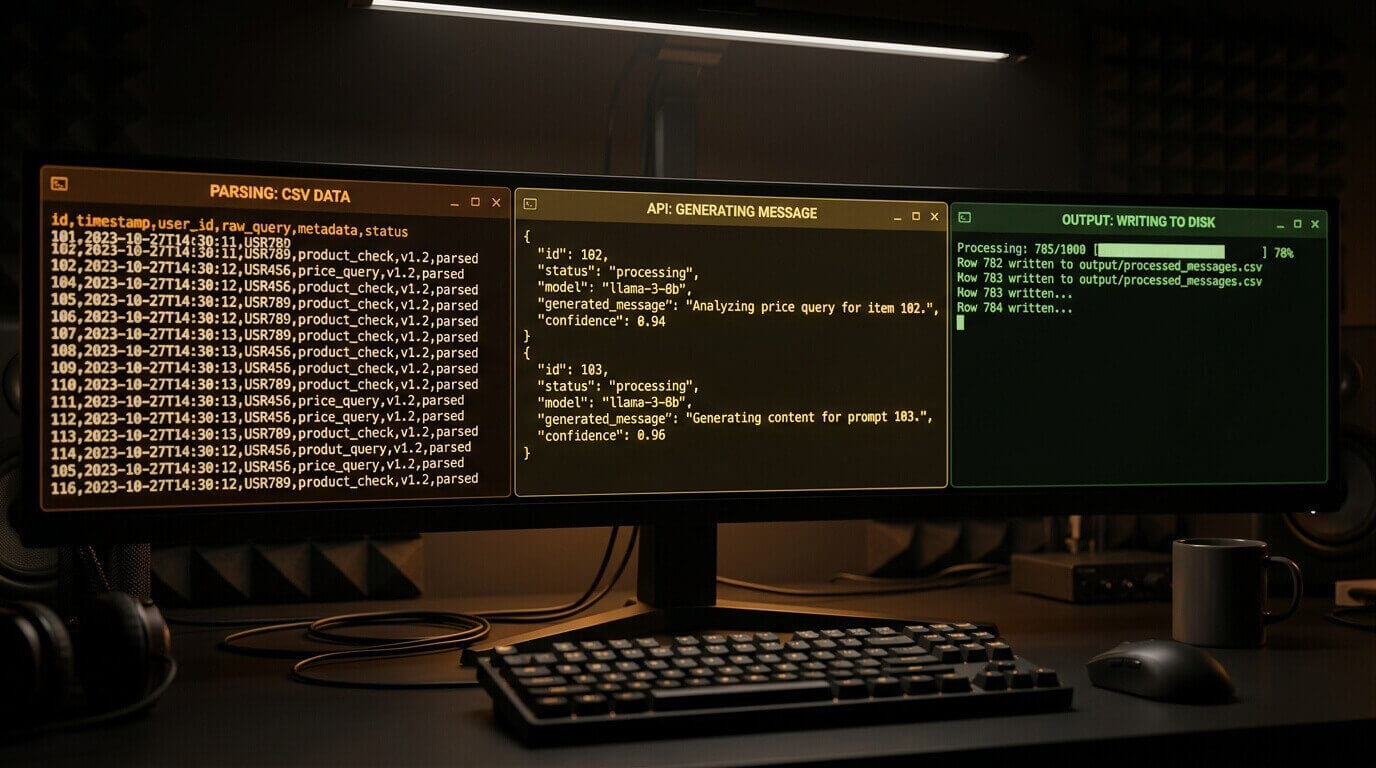
Cold messages fail for a simple reason. They're not actually cold — they're warm in theory and cold in execution. You've researched the person, found something interesting, written what you think is a relevant opener. Then you send the same structure to 150 people and wonder why three reply. The bottleneck is drafting. Personalization takes time: reading a profile, finding a hook, writing an opener that references it, keeping the message short enough that someone actually reads it. Ten minutes per person, 200 people, do the math.

Build a YouTube Video Summarizer with Python and Whisper API
· 7 min read

Build a YouTube Video Summarizer with Python and Whisper API

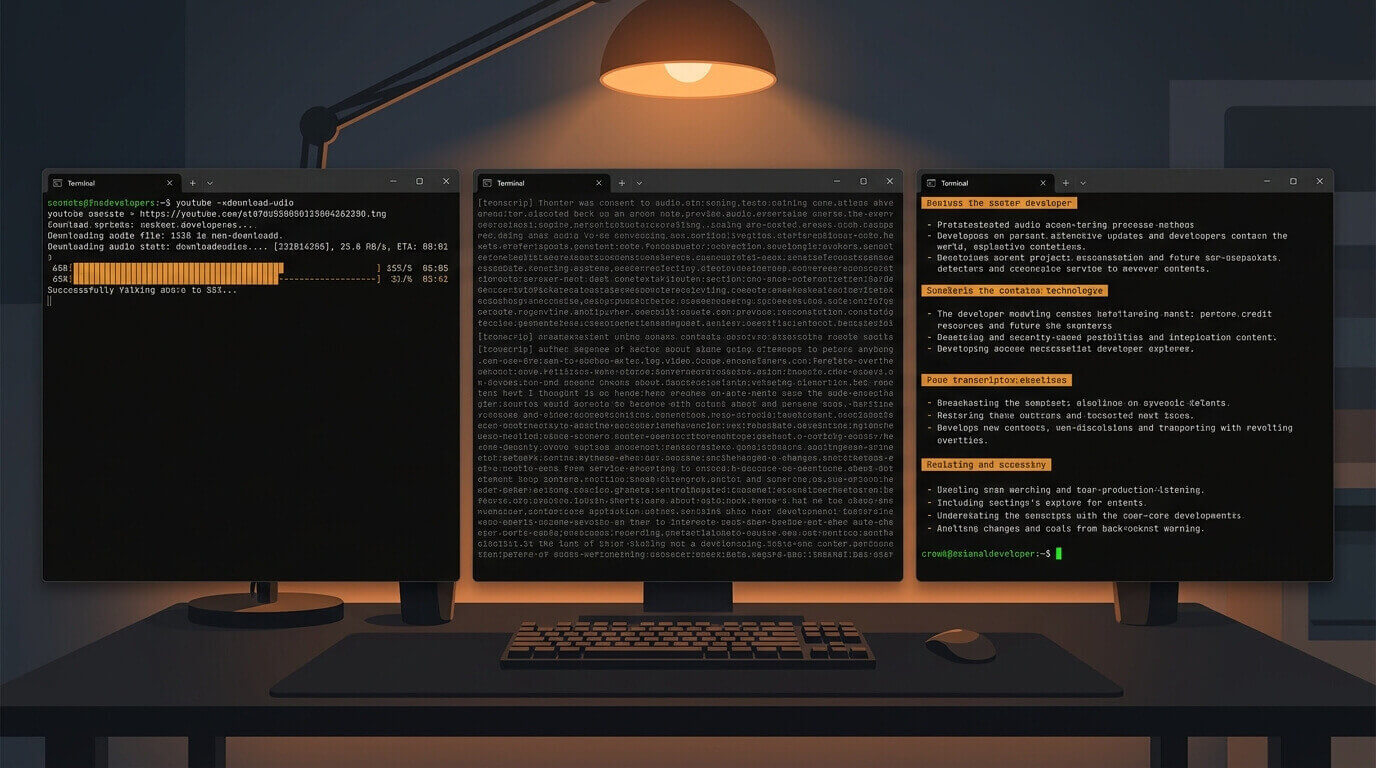
Three hours of conference talk. You have 20 minutes. The usual move is 2x speed, aggressive skipping, and hoping the important bits weren't in the sections you blew past. There's a better option: a script that downloads the audio, transcribes it, and hands it to Claude with a prompt that extracts exactly what you care about. This tutorial builds that. You'll need Python 3.10+, an OpenAI API key for Whisper transcription, and an Anthropic API key for the summarization step. The whole thing ships as a single CLI script.

Automating Email Triage and Responses with Python and OpenAI
· 8 min read

Automating Email Triage and Responses with Python and OpenAI

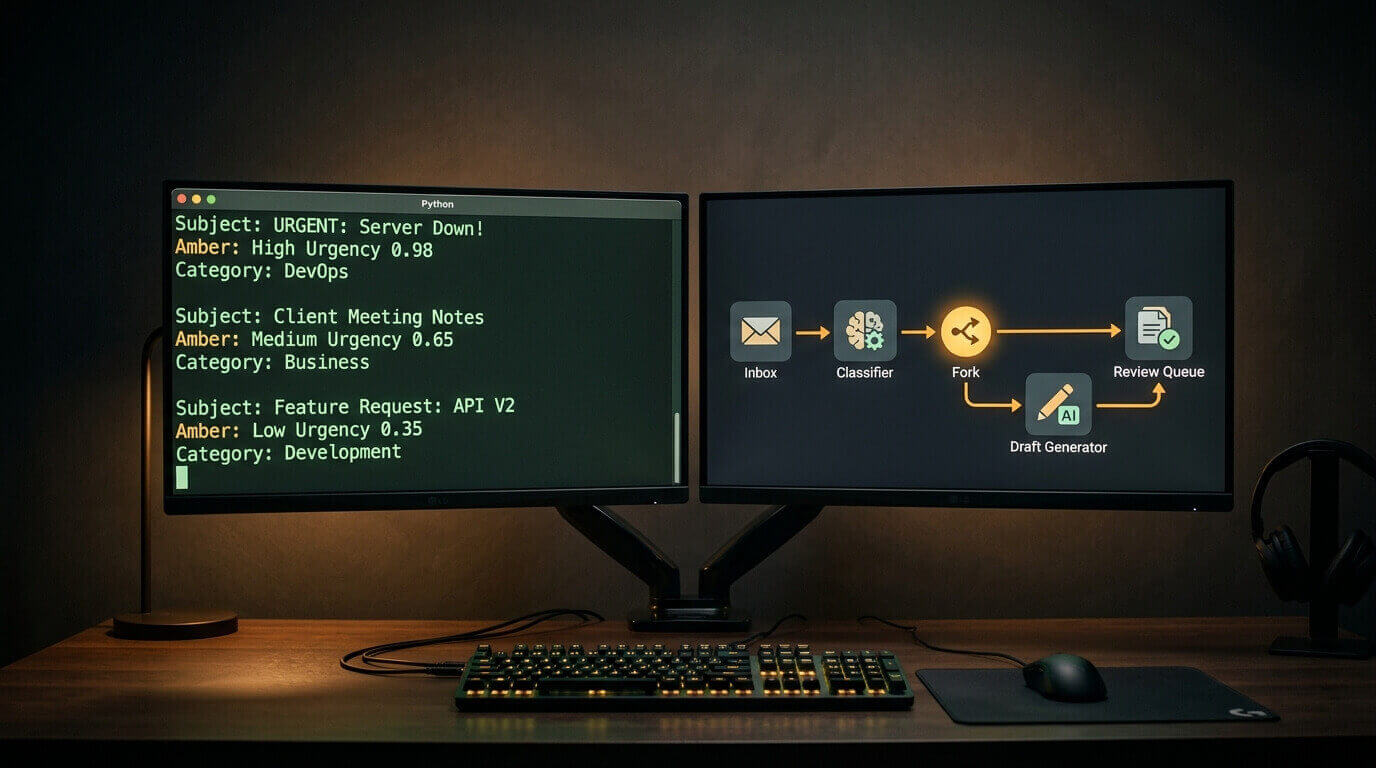
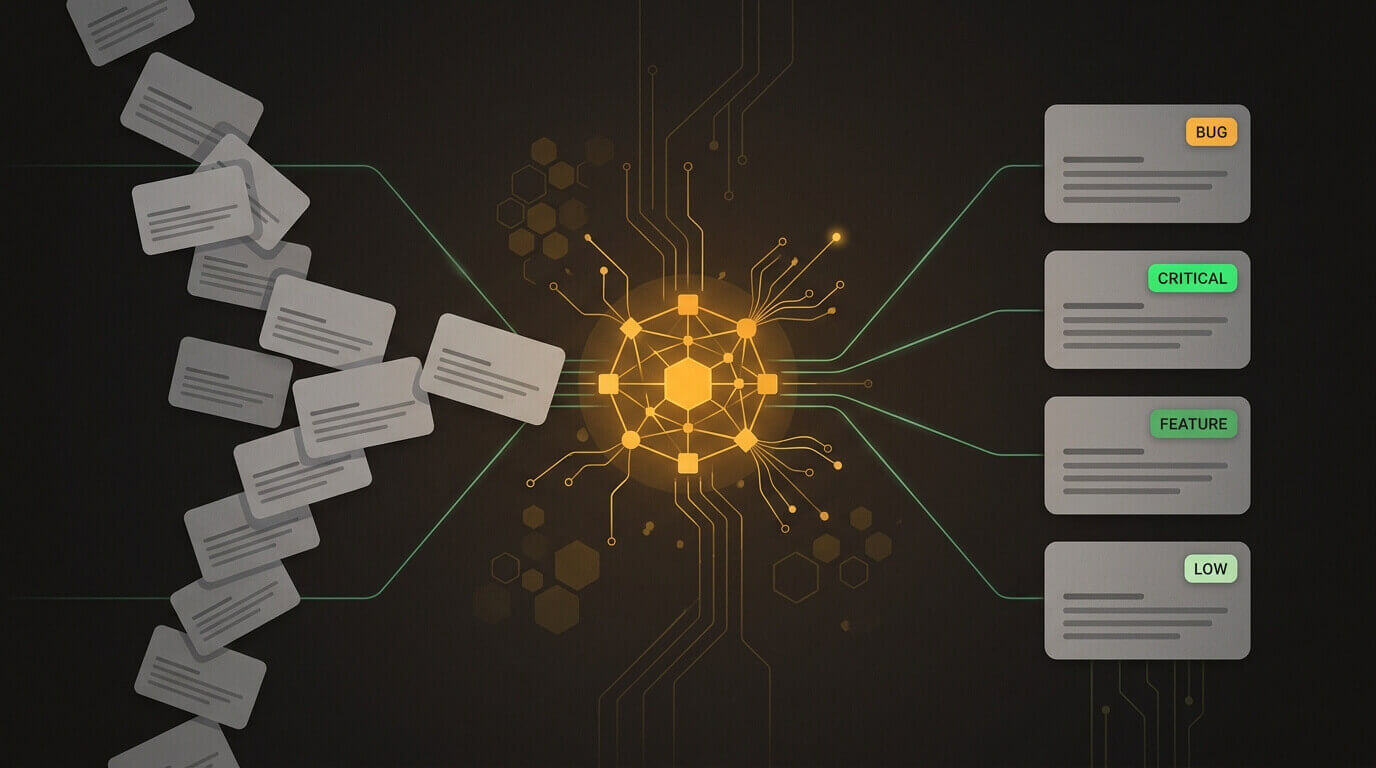
Forty-seven unread emails by 9 a.m. Twelve are urgent. Eight need a response you've written a hundred times. The rest are noise you'll archive without reading — if you ever get to them. This tutorial builds an email triage pipeline: classify incoming emails by urgency and category, generate context-aware draft responses for the routine ones, and flag the rest for human review. You'll need Python 3.10+, an OpenAI API key, and `openai` installed.

Build a Slack Bot That Answers Questions from Your Internal Docs [Part 2]
· 9 min read

Build a Slack Bot That Answers Questions from Your Internal Docs [Part 2]

If you ran the bot from Part 1, you probably hit the timeout within the first few minutes. Someone typed `/ask`, got "This app didn't respond in time" in red, and trust died a little. Claude was still thinking. Part 1 treated the Slack app as a prerequisite — configured and ready. This part actually builds it. We'll create the app in the Slack dashboard, wire both tokens, fix the timeout with background threading, format answers with Block Kit so they look like a real bot response instead of a text dump, and add a `/reindex` command so the docs stay current without restarting the process. You'll need the code from Part 1 and a Slack workspace where you have permission to install apps.

Web Scraping + AI: Turning Raw HTML into Structured Data with Python
· 8 min read

Web Scraping + AI: Turning Raw HTML into Structured Data with Python

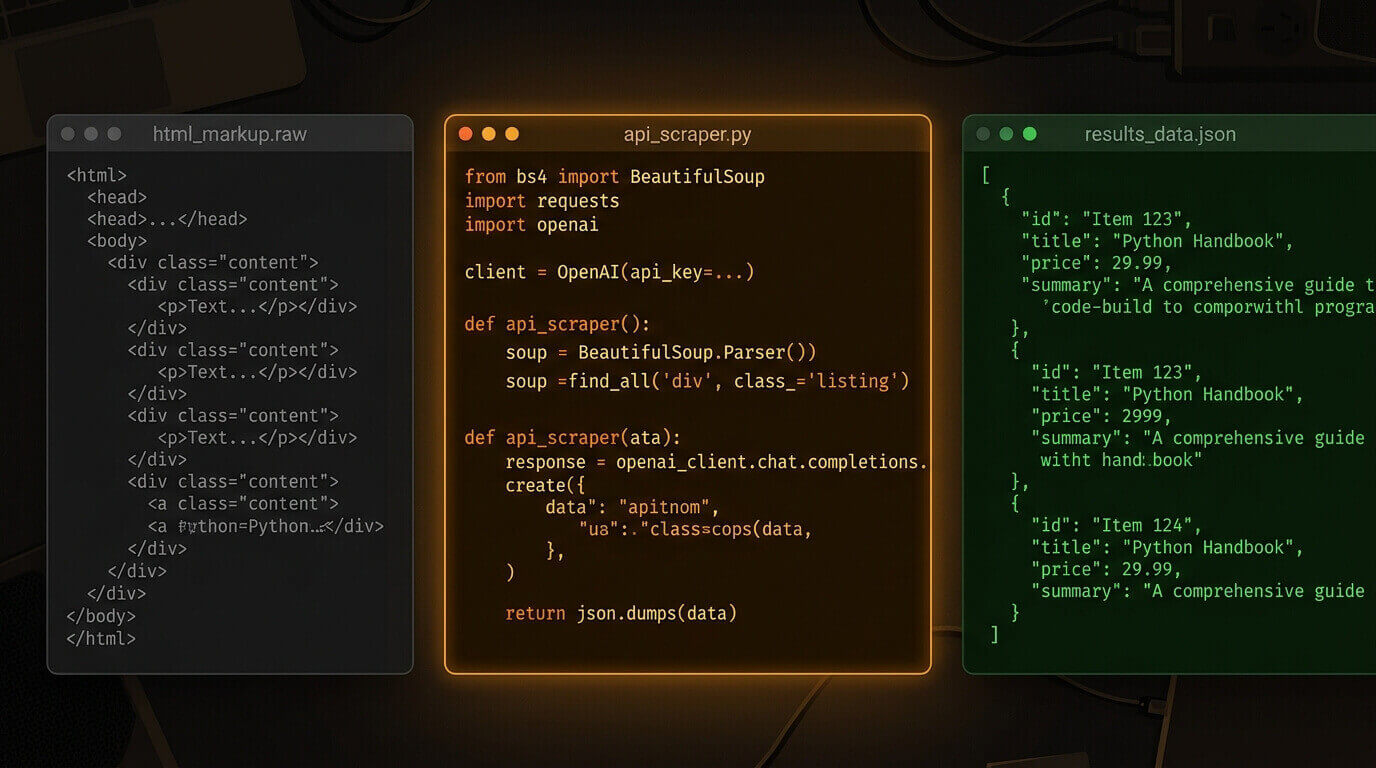
The HTML you get back from most websites is not what you want. It's what the browser needs — event listeners, tracking scripts, cookie banners, seventeen nested `<div>` containers, and somewhere buried in all that, the three fields you actually care about.

Creating a Multi-Agent System with Python and LangChain
· 7 min read

Creating a Multi-Agent System with Python and LangChain

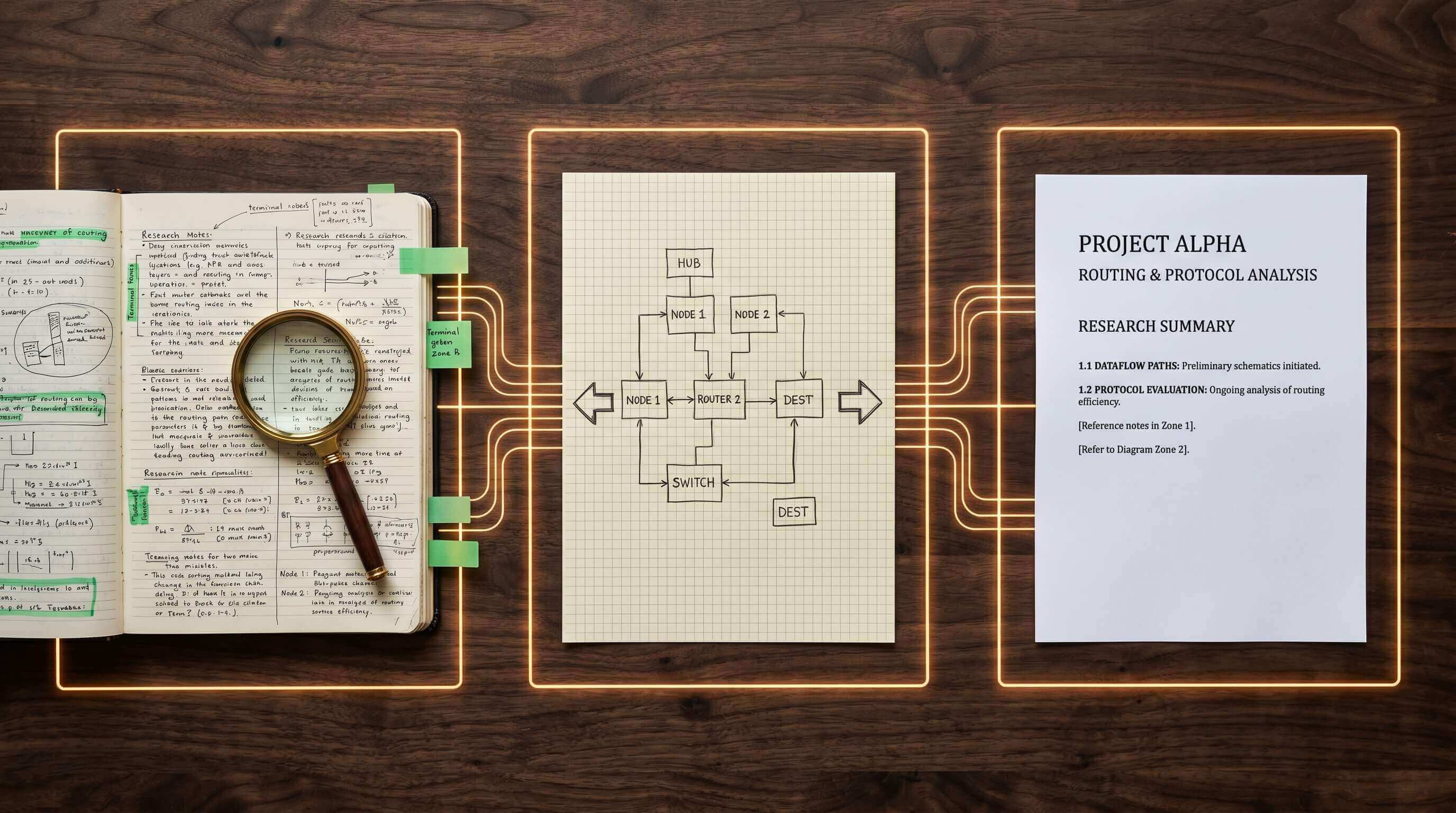
I had a pipeline that kept eating itself. The task was straightforward: research current trends in vector database pricing, then write a short summary. One agent, a handful of tools, a careful system prompt. It started well — pulling results, skimming content, taking notes. Then halfway through composing a paragraph, something it wrote made it doubt its own data. So it searched again. Then wrote some more. Then re-searched because a sentence it drafted referenced a number it couldn't confirm. Four minutes and $0.80 in API calls later, I had output that mixed raw search snippets with half-composed paragraphs. Not a bug — just the expected behavior of one model trying to do two incompatible jobs at once.

Automating Data Extraction from PDFs Using Python and LLMs
· 7 min read

Automating Data Extraction from PDFs Using Python and LLMs

PDFs lie to you. They look structured — columns aligned, tables formatted, field labels sitting neatly next to their values — but underneath that visual order is a flat stream of text with no semantic structure at all. Ask a PDF parser what the invoice total is and it'll give you every number on the page.

Building an AI-Powered Document Summarizer with Python and Claude API
· 8 min read

Building an AI-Powered Document Summarizer with Python and Claude API

I have about twelve PDF tabs open right now that I haven't read. A vendor comparison, two research papers, a spec doc from last week. At some point I'll get to them. Probably. Rather than actually reading them, I built a summarizer. This tutorial walks through the same thing: a Python script that takes any `.txt` or `.pdf` file from the command line and returns a clean summary using the Claude API. You'll need Python 3.10+, an Anthropic API key, and basic Python familiarity. No prior LLM experience required.

Versioning and Managing Prompts Like Code in Your AI Projects
· 8 min read

Versioning and Managing Prompts Like Code in Your AI Projects

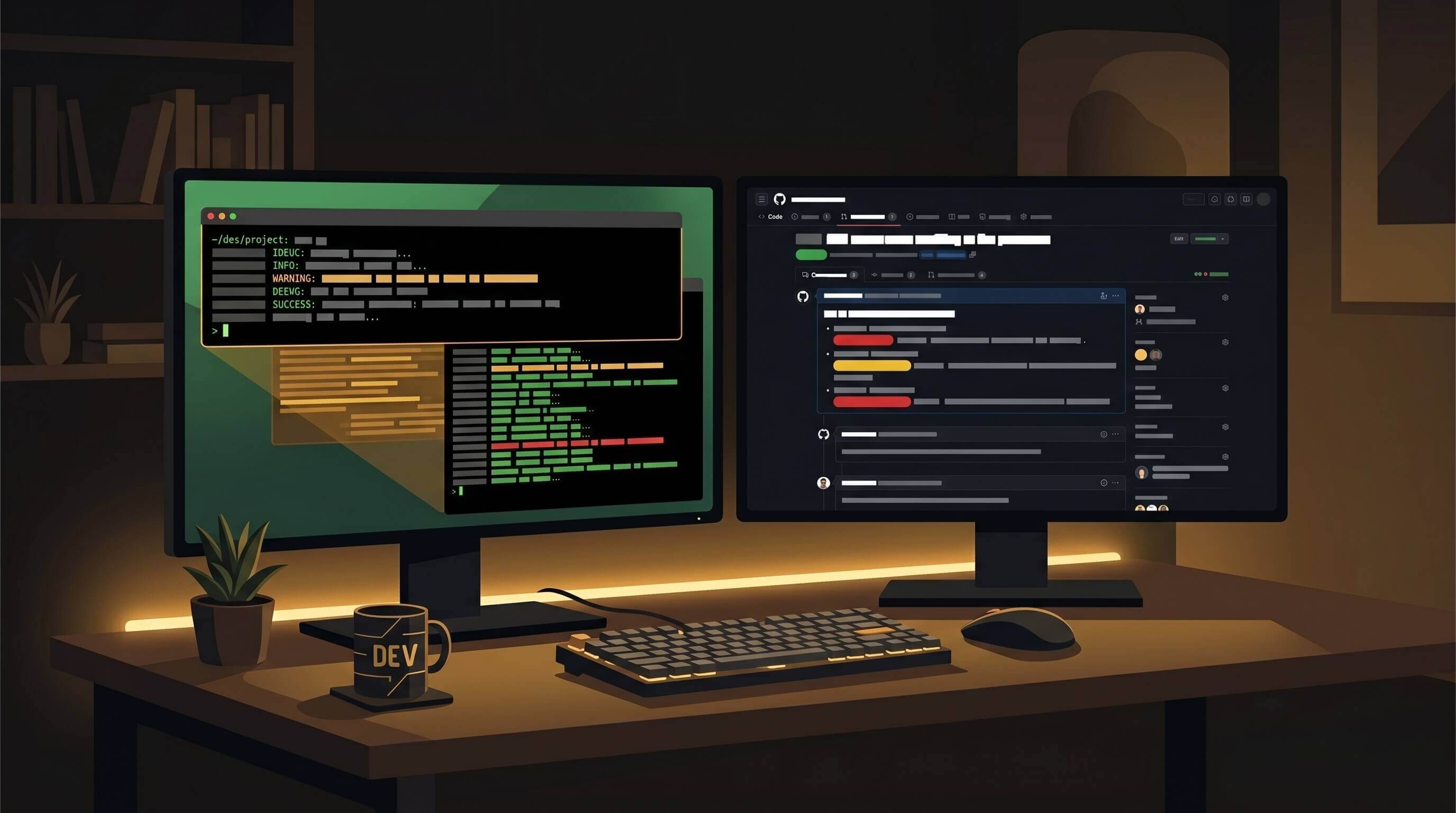
Somewhere between sprint three and sprint seven, a prompt in your codebase changed. Nobody announced it. The output got worse — responses started being too short, the tone shifted, or edge cases started failing. You grep through the code trying to find what happened, and eventually realize someone edited the prompt string directly in the source file, probably to fix something else, and didn't think much of it.